

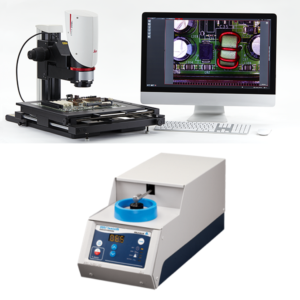
Equipment End of Life Announcements: Buehler & Leica
Recent Blogs Equipment End-of-Life Announcements: Buehler & Leica Buehler MiniMet
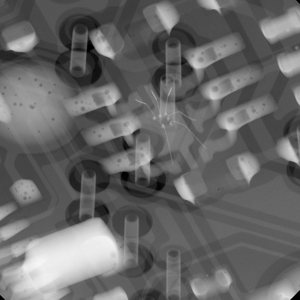
Cone Beam CT vs. Oblique CT: Choosing the Right X-Ray Inspection Technique for 3D Analysis
Recent Blogs Cone Beam CT vs. Oblique CT: Choosing the
Compact vs. High-End EBSD Systems: A Performance Comparison of Detector Technologies
Recent Blogs Compact vs. High-End EBSD Systems: A Performance Comparison

SEM: Low Vaccuum vs. High Vacuum Imaging – Webinar
Recent Blogs 5 Key Takeaways from Our Webinar: Low Vacuum
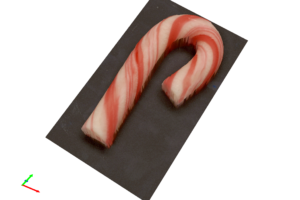
What Happens When Elves Discover Surface Metrology?
Recent Blogs What Happens When Elves Discover Surface Metrology? Candy
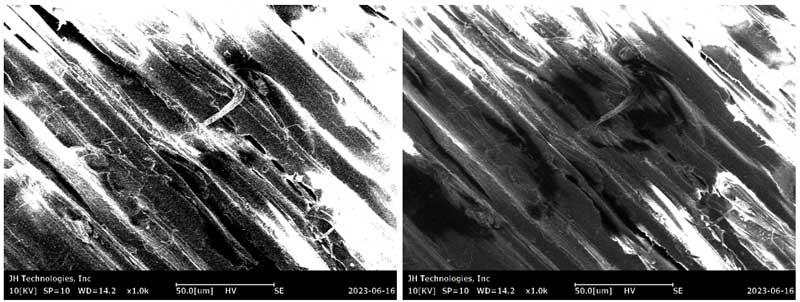
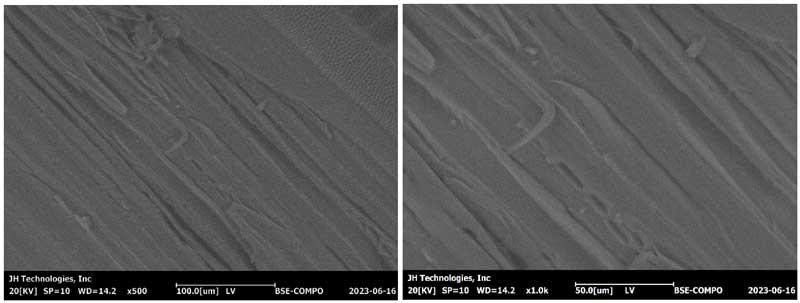
However, when imaged under low-vacuum conditions, the pine wood sample exhibits no charge accumulation, resulting in improved contrast and finer details, thanks to the application of a higher energy 20kV beam and reduced charge accumulation.
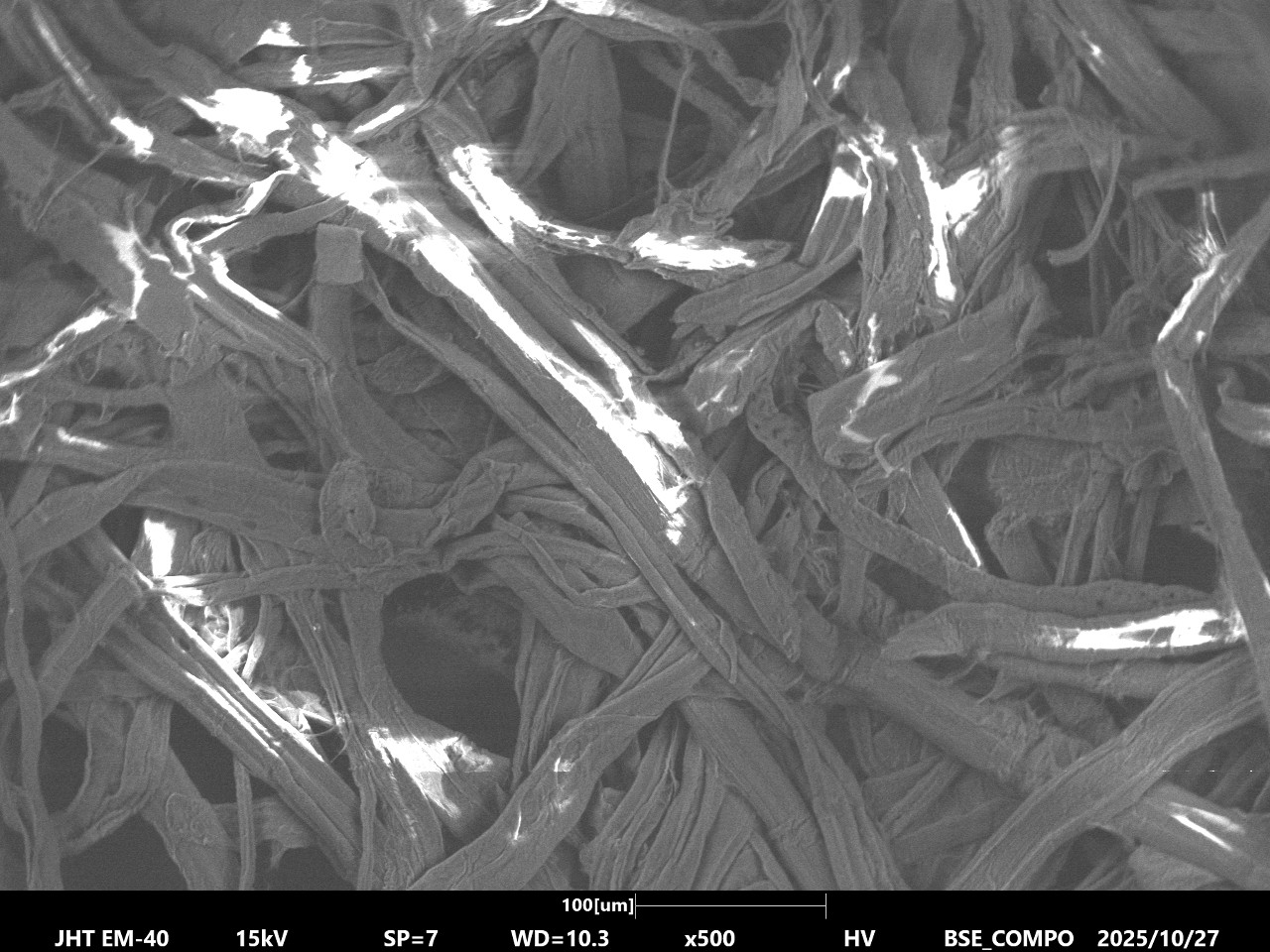
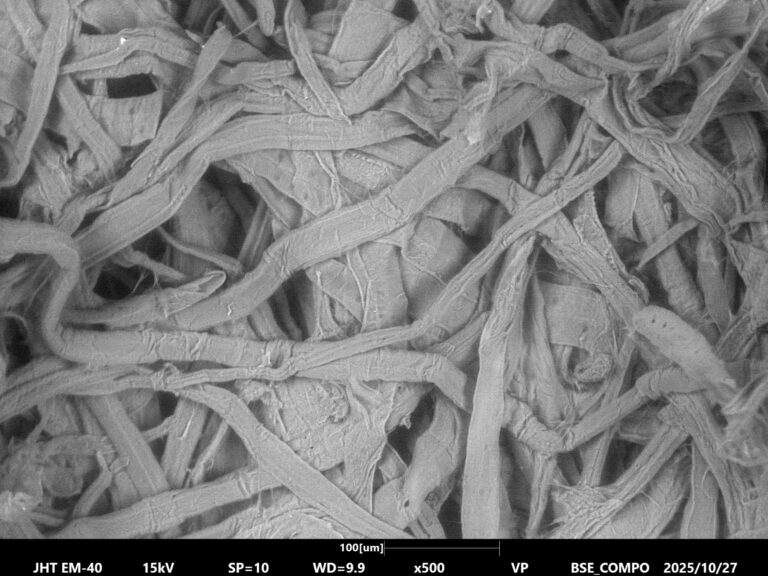
Here is an example of a paper towel imagied with High Vacuum, and no coating
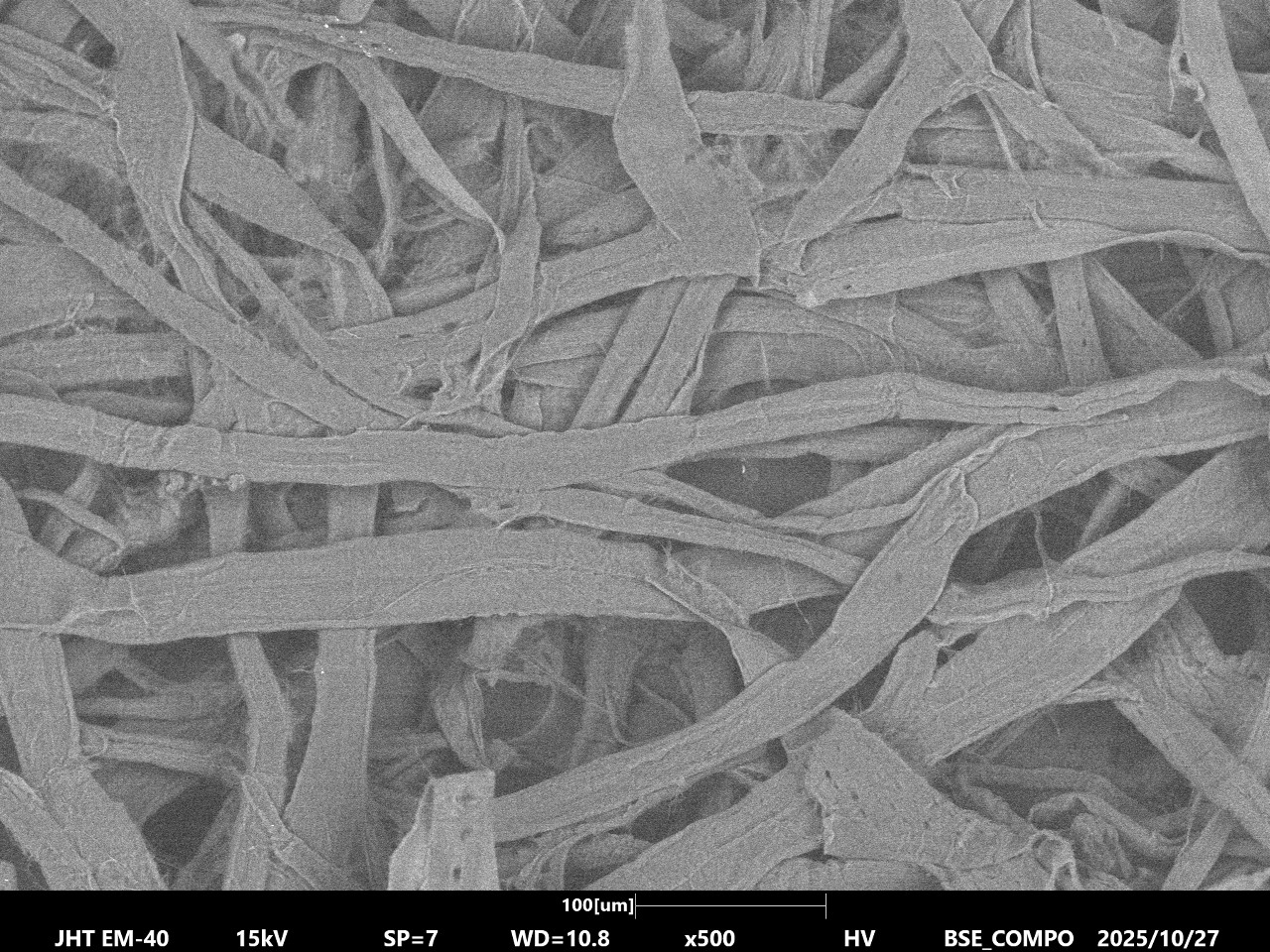
Here is the same example imaged High Vacuum, and coated with a thin layer (5nm) of gold
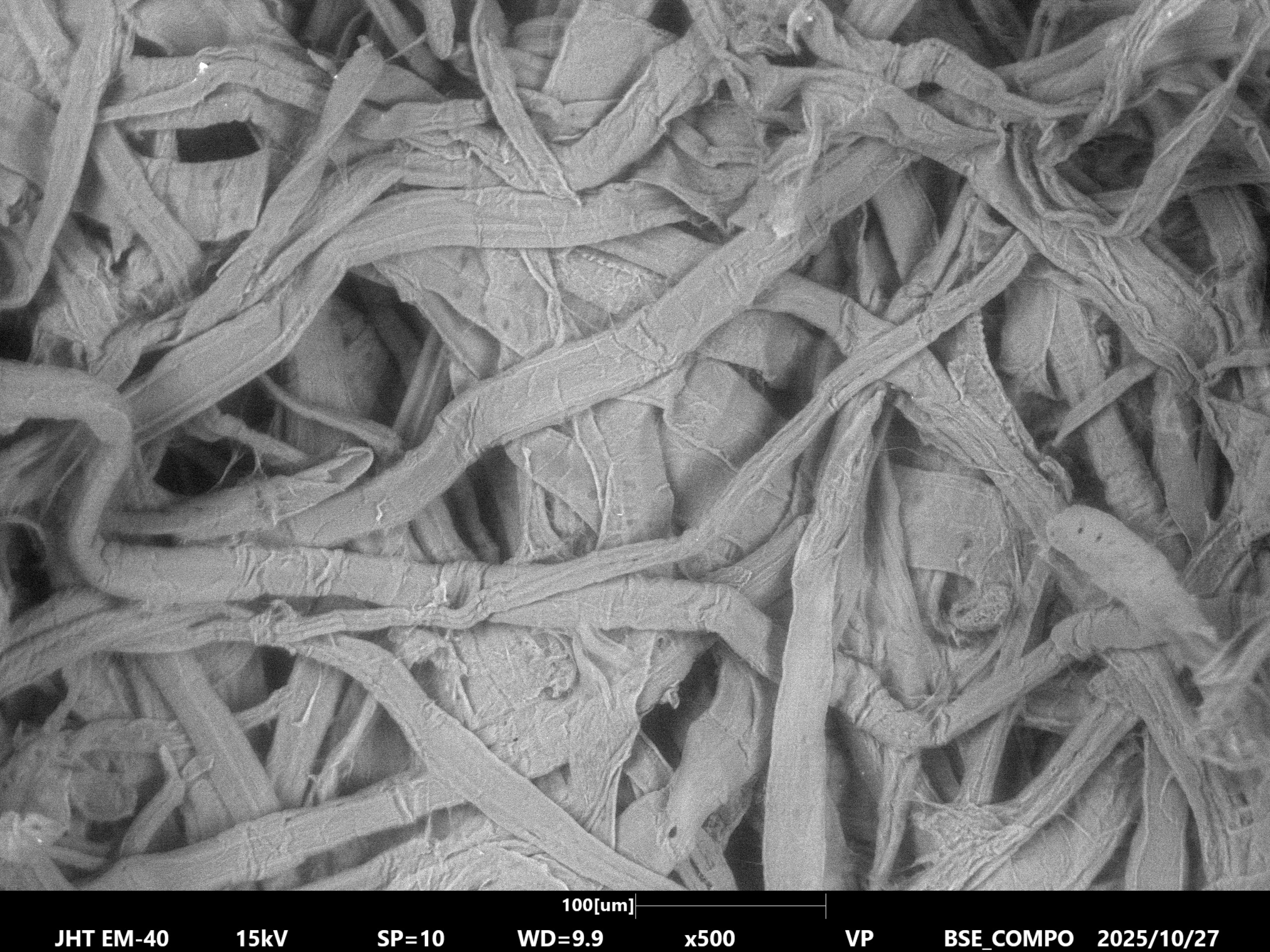
Here is the same sample imaged at Low Vacuum showing a more detailed clearer image.