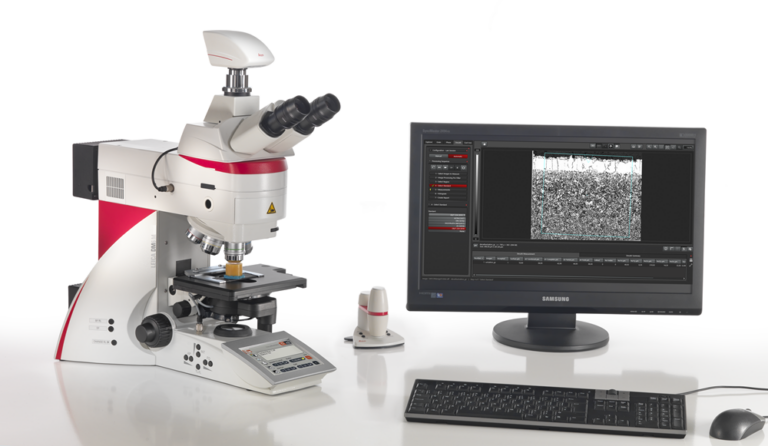
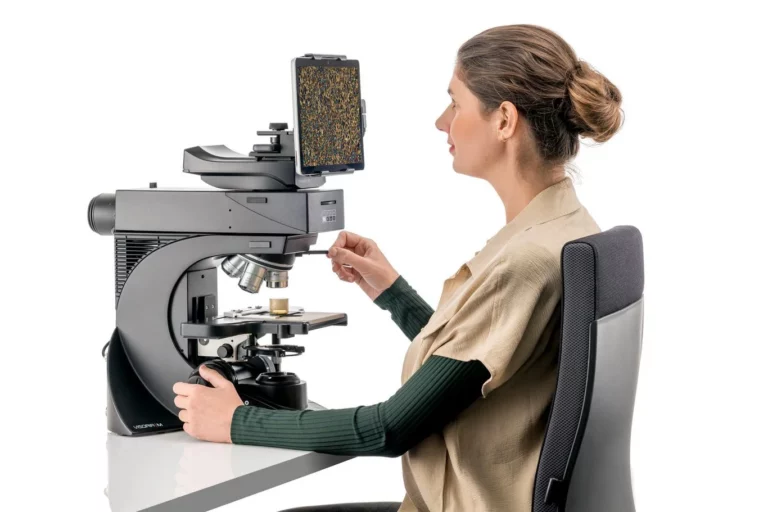
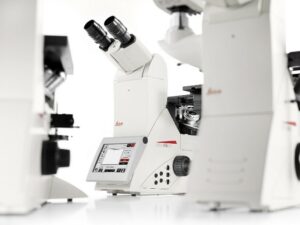
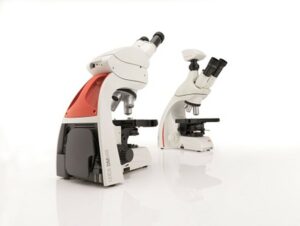
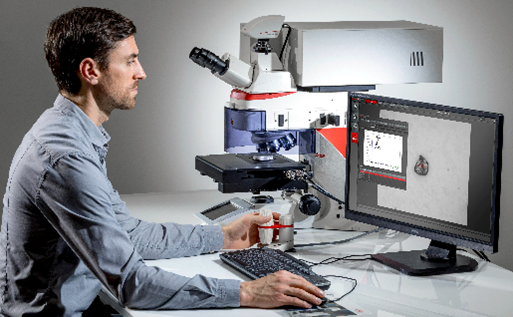
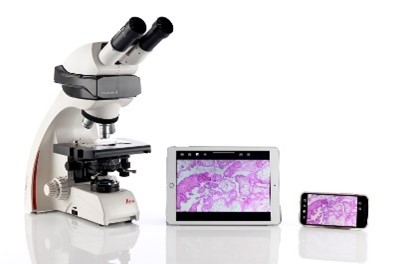
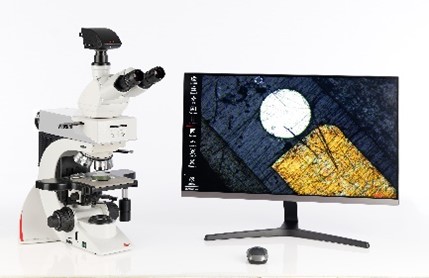
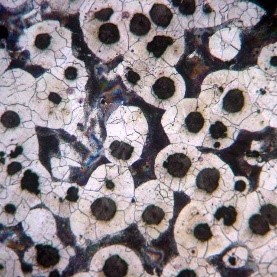
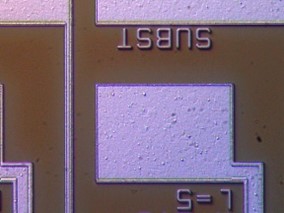
Compound upright microscopes are high-precision optical instruments used for transmitted and reflected light imaging across life science, materials science, semiconductor inspection, and education. These microscopes provide excellent optical clarity, stable sample positioning, and flexible contrast techniques for both routine inspection and advanced analytical workflows.
JH Technologies supplies Leica compound upright microscopes across education, materials science, industrial quality control, and semiconductor failure analysis. Our portfolio spans everyday laboratory inspection systems, advanced research platforms, semiconductor-grade wafer inspection microscopes, and classroom-ready educational models (New)
JH Technologies supplies Leica compound upright microscopes across education, materials science, industrial quality control, and semiconductor failure analysis. Our portfolio spans everyday laboratory inspection systems, advanced research platforms, semiconductor-grade wafer inspection microscopes, and classroom-ready educational models (New)
What Are the Differences Between Compound Upright Microscopes?
Compound upright microscopes are differentiated by application requirements, imaging performance, and workflow complexity. Our portfolio is structured into four tiers:
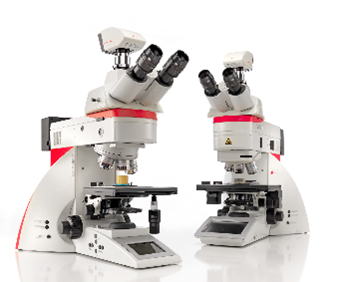
Routine systems for everyday materials inspection and polarized light analysis in analytical laboratories.
Research platforms for advanced materials research and contrast-enhanced structural analysis.
Semiconductor microscopes for wafer-level inspection and device failure analysis.
Education microscopes for classroom instruction and hands-on student training.
What Are the Differences Between Compound Upright Microscopes? (New)
Compound upright microscopes are differentiated by application requirements, imaging performance, and workflow complexity. Our portfolio is structured into routine systems for analytical laboratories, research platforms for materials and failure analysis, semiconductor microscopes for wafer-level inspection, and education microscopes designed for teaching and training environments. (New)
Routine compound upright microscopes are designed for everyday laboratory inspection and quality control. These systems emphasize ease of use, optical reliability, and consistent performance for repeated workflows.
Available models:
DM750 M / DM750 P
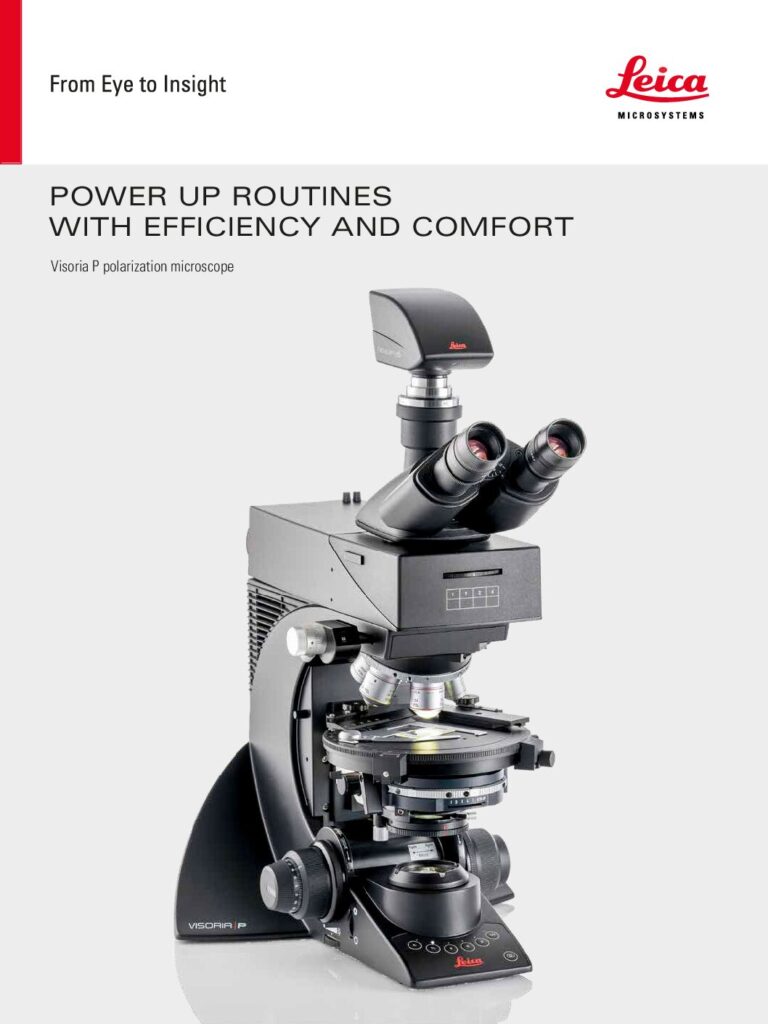
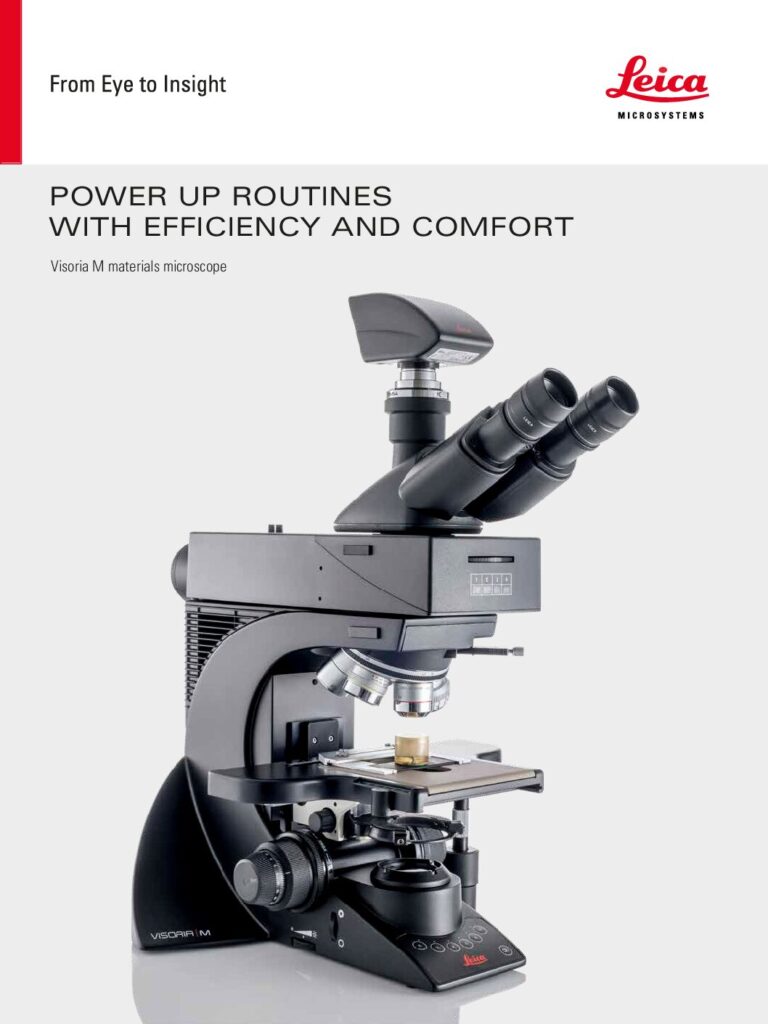
Visoria
Typical applications include routine materials inspection, polarized light analysis, and general laboratory imaging.
Routine compound upright microscopes are designed for everyday laboratory inspection and quality control. These systems emphasize ease of use, optical reliability, and consistent performance for repeated workflows.
Available models:
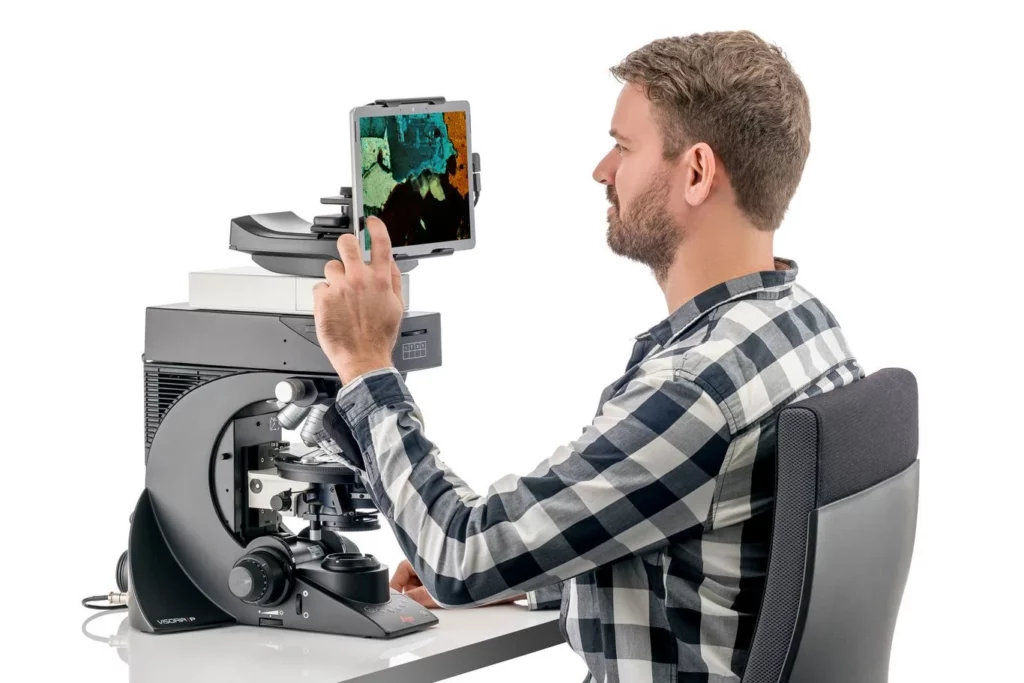
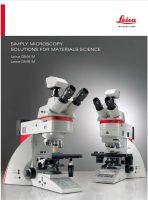
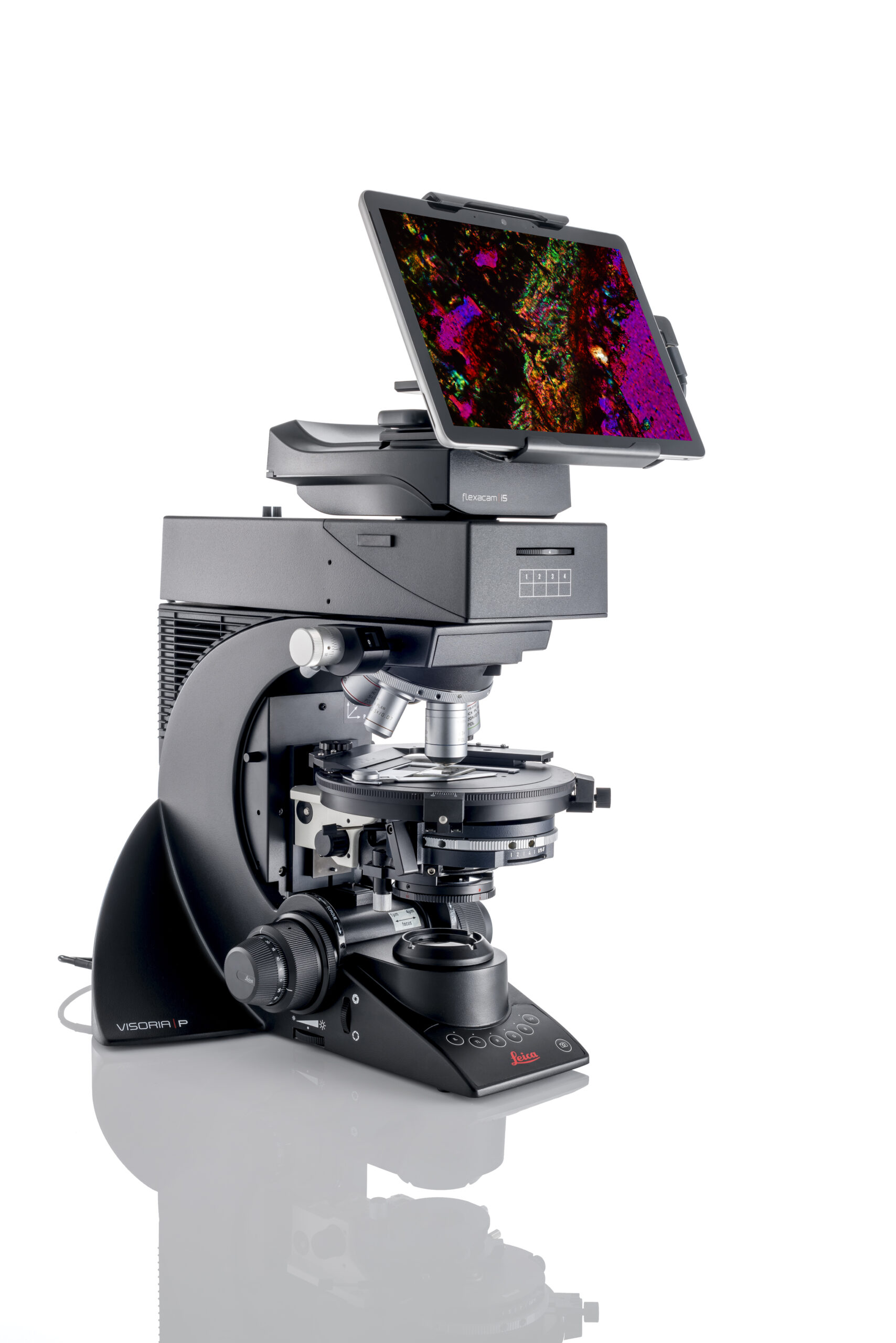
Leica Visoria M/P — materials and polarizing microscope for metallurgical inspection and mineral/asbestos analysis
DM750 M / DM750 P — materials and polarization configurations (confirm active SKU status and finalize naming before publishing; see Section 9)
Typical applications include routine materials inspection, polarized light analysis, and general laboratory imaging.
Research-grade compound upright microscopes provide advanced optical performance and modular configurations to support demanding analytical and imaging applications. These systems are built for flexibility, long-term research use, and integration with digital imaging tools.
Available models:
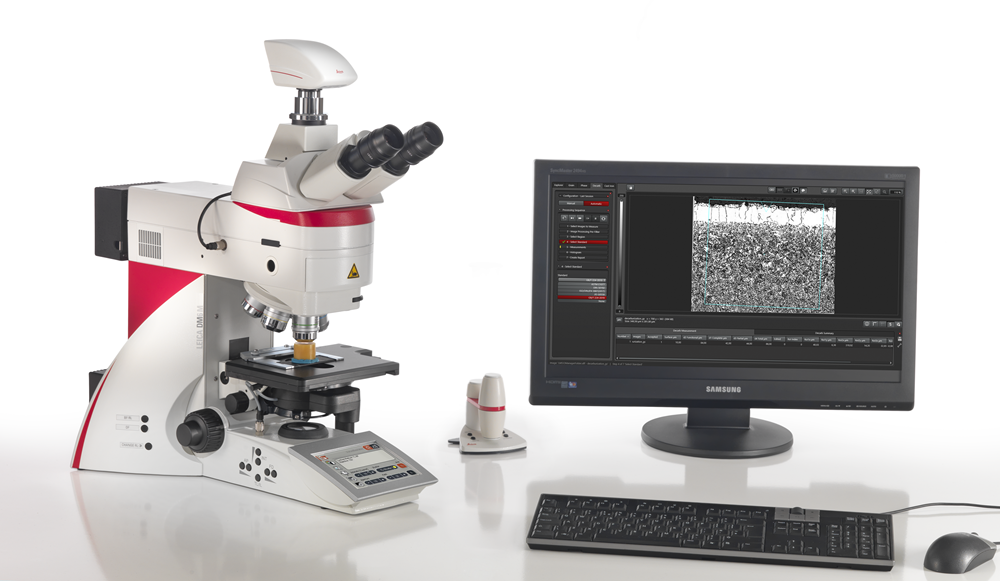
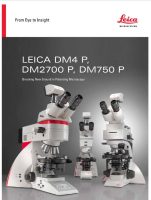
DM4 M / DM4 P
DM6 M / DM6 P
Common applications include advanced materials research, contrast-enhanced imaging, and detailed structural analysis.
Educational compound upright microscopes are designed for teaching laboratories and training environments, combining durability with professional-level optical quality. These microscopes support hands-on learning while maintaining consistent imaging performance.
Available models:
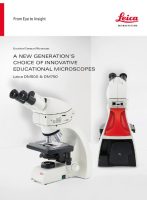
Leica DM500 — entry-level, plug-and-play biological microscope for introductory life science courses
Leica DM750 — advanced education microscope which can include phase contrast for microbiology, and can also be used for medical, veterinary, and dental training
Common applications include classroom instruction, laboratory courses, and student training.
Semiconductor Compound Upright Microscopes
Do Not Delete
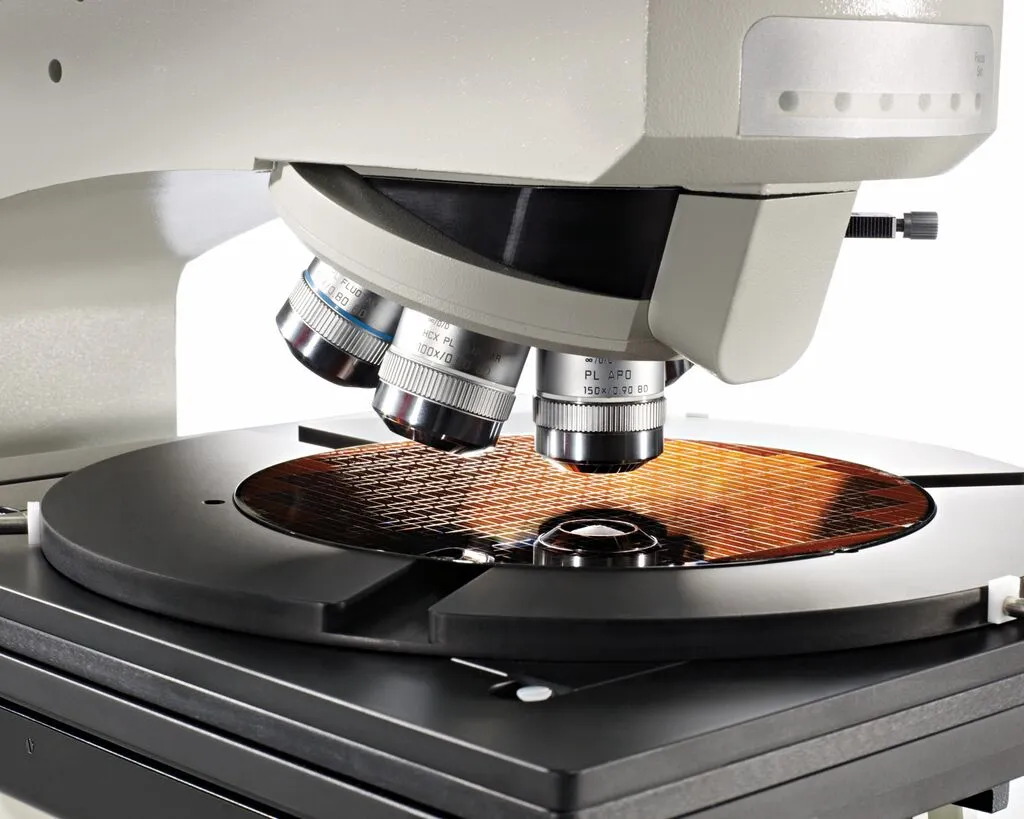
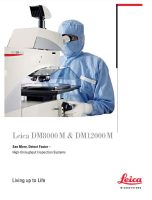
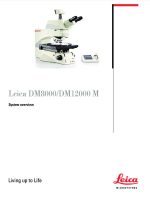
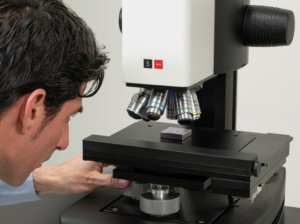
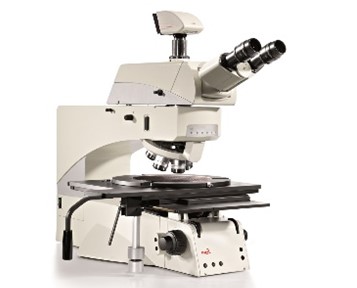
Semiconductor compound upright microscopes are engineered for precision inspection of wafers, microstructures, and advanced electronic materials. These systems deliver exceptional optical performance for failure analysis and defect inspection in semiconductor environments.
Available models:
DM8000
DM1200
Typical applications include semiconductor inspection, wafer analysis, and device-level evaluation.
Q: What’s the difference between a routine, research, and semiconductor compound microscope?
Routine systems, like the Leica Visoria, are built for everyday materials inspection and polarized light analysis. Research platforms offer more advanced optics and modular configurations for demanding analytical work. Semiconductor-grade systems are engineered specifically for wafer-level inspection and defect analysis in electronics manufacturing.
Q: Do you offer compound microscopes for classroom or educational use?
Yes. The Leica DM500 and DM750 are built specifically for life science education — the DM500 for entry-level coursework and the DM750 for advanced training in medical, veterinary, and dental programs.
Q: Is JH Technologies an authorized Leica dealer?
Yes. JH Technologies is an authorized Leica dealer based in Fremont, CA, supplying and supporting compound upright microscopes across education, materials science, and industrial applications throughout the United States.