Recent Blogs

Cone Beam CT vs. Oblique CT: Choosing the Right X-Ray Inspection Technique for 3D Analysis
Recent Blogs Cone Beam CT vs. Oblique CT: Choosing the
Compact vs. High-End EBSD Systems: A Performance Comparison of Detector Technologies
Recent Blogs Compact vs. High-End EBSD Systems: A Performance Comparison

SEM: Low Vaccuum vs. High Vacuum Imaging – Webinar
Recent Blogs 5 Key Takeaways from Our Webinar: Low Vacuum

What Happens When Elves Discover Surface Metrology?
Recent Blogs What Happens When Elves Discover Surface Metrology? Candy

2025 Equipment Tax Benefits to Consider
Recent Blogs Equipment Tax Benefits for 2025! Is Now the
Cone Beam CT vs. Oblique CT: Choosing the Right X-Ray Inspection Technique for 3D Analysis
Which technique is right for your samples?
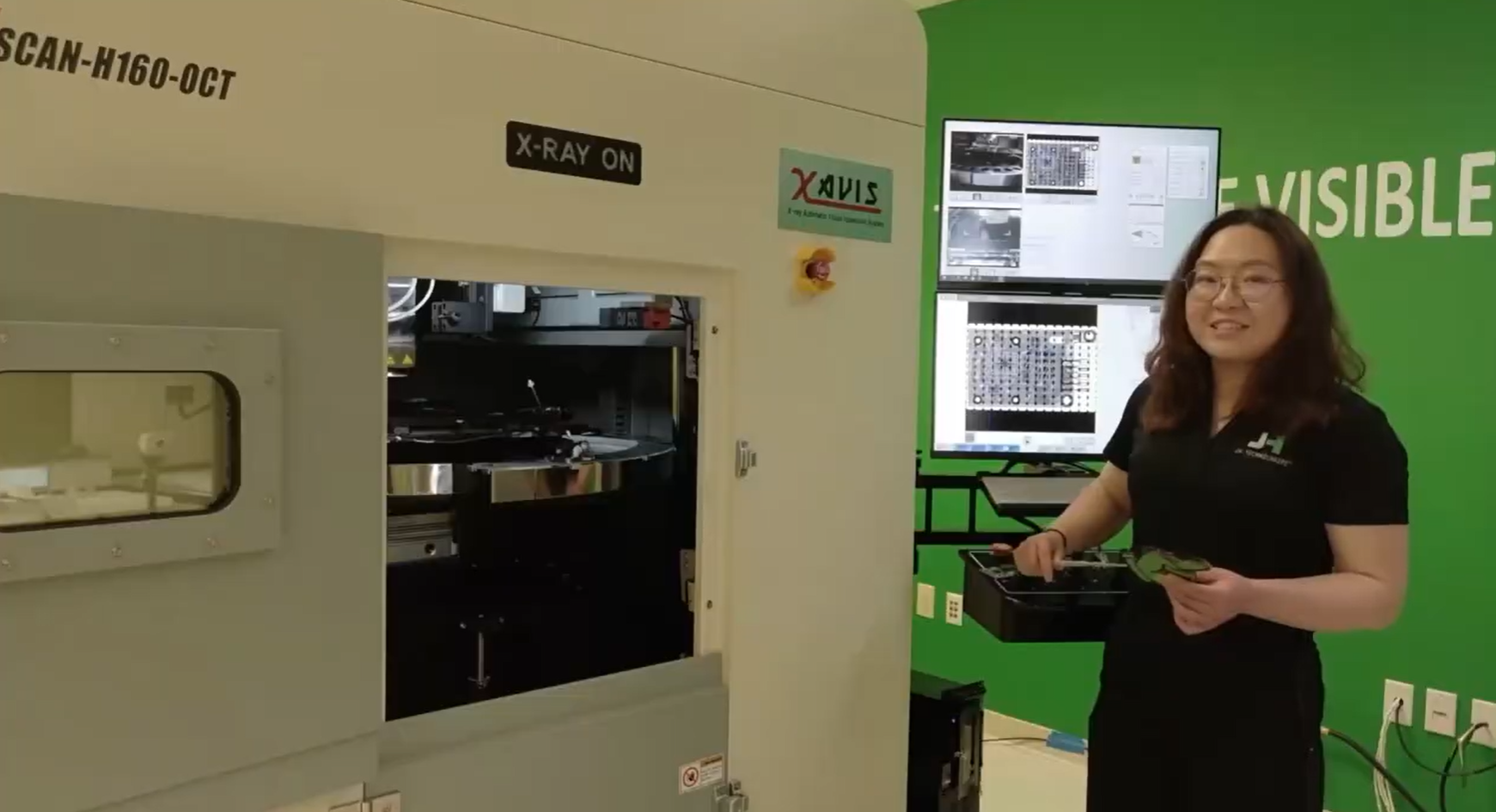
JH Technologies recently hosted an educational webinar focused on an important discussion in industrial X-ray inspection today: Cone Beam CT (CBCT) vs. Oblique CT (OCT). The session explored how advanced X-ray CT scanning techniques help engineers, manufacturers, and researchers better understand internal product structures, identify defects, and analyze how components function — all without damaging the sample.
The webinar highlighted the real-world applications of computed tomography (CT) in electronics, semiconductor, manufacturing, battery inspection, and quality control, while comparing the strengths of Cone Beam CT and Oblique CT for different inspection scenarios.
Understanding X-Ray CT Scanning
Computed Tomography (CT) uses multiple 2D X-ray projections to reconstruct a detailed 3D model of a sample. Unlike standard 2D X-ray imaging, CT scanning provides depth information that allows users to inspect hidden internal features, measure structures, and evaluate defects with greater accuracy.
During the webinar, attendees learned how modern X-ray imaging systems combine three primary components:
- X-ray source
- Sample or object
- Detector or X-ray camera
Â
These components work together to generate high-resolution 2D and 3D scans that reveal internal structures invisible to the naked eye.
Why CT Scanning Matters in Modern Manufacturing
Industrial CT X-ray scanning has become an essential tool across multiple industries, including:
- Electronics manufacturing
- Battery inspection
- Castings
- Medical devices
- Food and packaging
- Security and logistics
- Additive manufacturingÂ
Because CT is non-destructive, engineers can analyze parts internally without cutting, sectioning, or destroying the product. This allows teams to better understand product performance, manufacturing quality, material integrity, and failure points while preserving the original sample.
Cone Beam CT (CBCT): Full Structural Inspection
Cone Beam CT is commonly used when a complete structural view of a sample is needed. In this method, the object rotates while the X-ray detector captures cross-sectional slices of the sample from multiple angles to create a full 3D image.
Advantages of Cone Beam CT
- Captures full sample geometry
- Excellent for structural analysis
- Effective for larger and denser samples
- Ideal for batteries, castings, and complete assemblies
Oblique CT (OCT): High-Resolution Inspection of Specific Features
Oblique CT uses a tilted rotational plane, allowing inspectors to focus on smaller regions of interest within larger assemblies.
Advantages of Oblique CT
- Higher magnification on small features
- Better resolution for targeted inspections
- Faster scans for specific areas
- Easier fixturing for larger samples
Comparing Cone Beam CT vs. Oblique CT
One of the webinar’s key takeaways was that neither technique is universally better — the right choice depends on the application. Engineers should evaluate:
- Sample geometry
- Desired resolution
- Scan time requirements
- Area of interest
- Material density
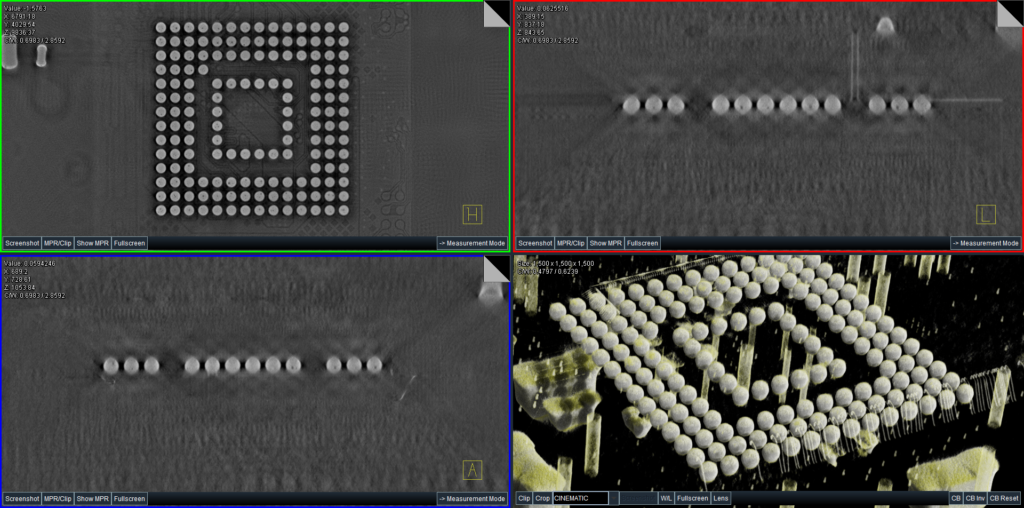
During the webinar, Oblique CT demonstrated strong performance when inspecting PCB for solder ball voiding and quality, along with general electronic components. The scans showed fewer artifacts and improved detail visibility in targeted regions compared to traditional CBCT scans.
For large structural inspections such as batteries or castings, Cone Beam CT often provides more complete visualization. For localized inspections requiring extremely high detail — such as solder joints or semiconductor features — Oblique CT can offer significant advantages.
Â
Real-World X-Ray Inspection Examples
Webinar Video
 X-ray inspection batteries
The webinar included several real-world CT scan examples demonstrating how 3D X-ray analysis supports product development and quality assurance:
Battery Inspection
Â
CBCT scans revealed detailed internal structures, electrode positioning, casing integrity, and manufacturing defects. These scans help engineers understand battery construction and identify hidden reliability concerns.
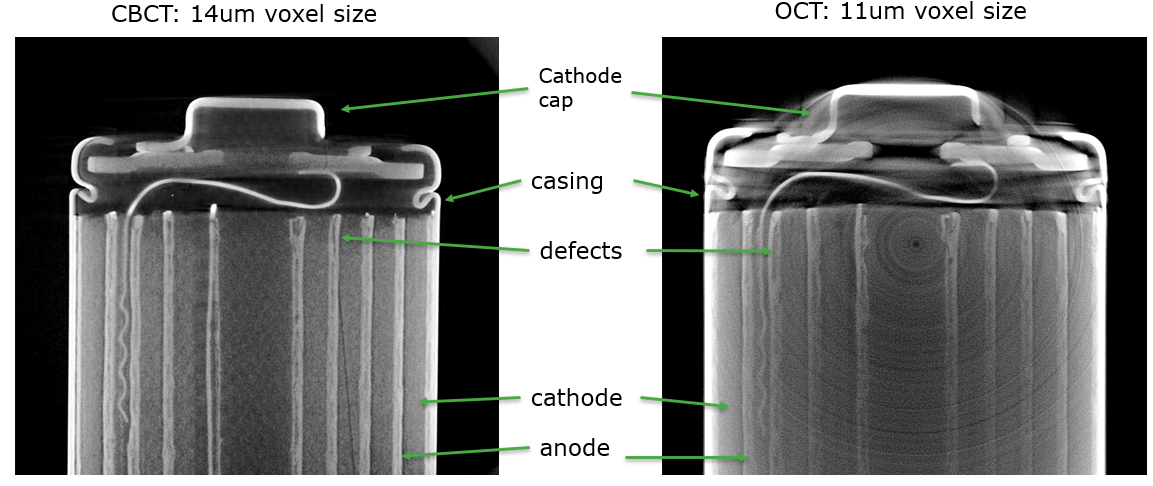
 X-ray inspection for batteries
Â
PCB and BGAÂ Inspection
OCT scans provided high-resolution imaging of solder balls, voids, and electronic interconnects with reduced scanning artifacts, helping manufacturers improve electronics reliability and assembly quality.
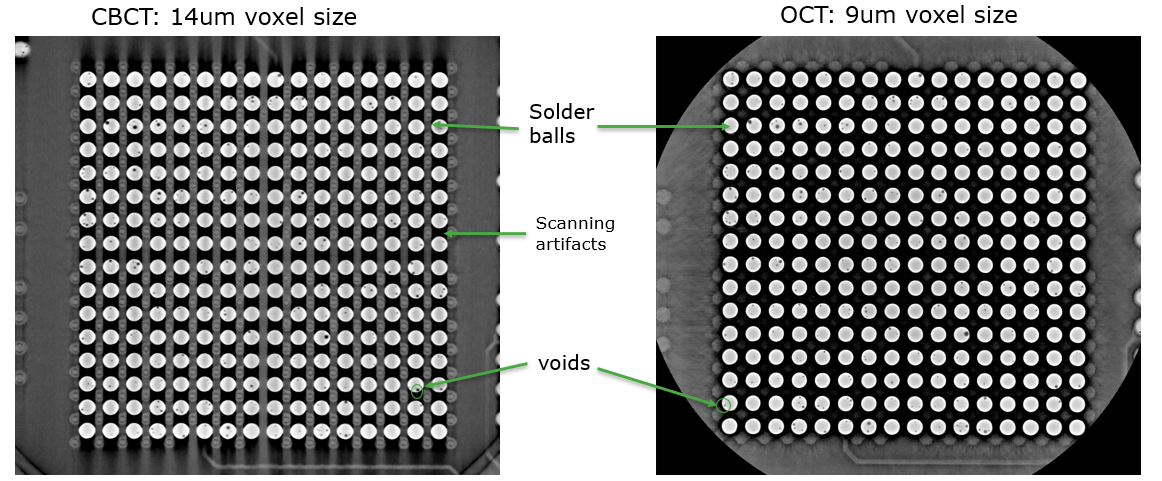
 X-ray Inspection BGA CBCT vs OCT
Â
Additional Industrial Applications
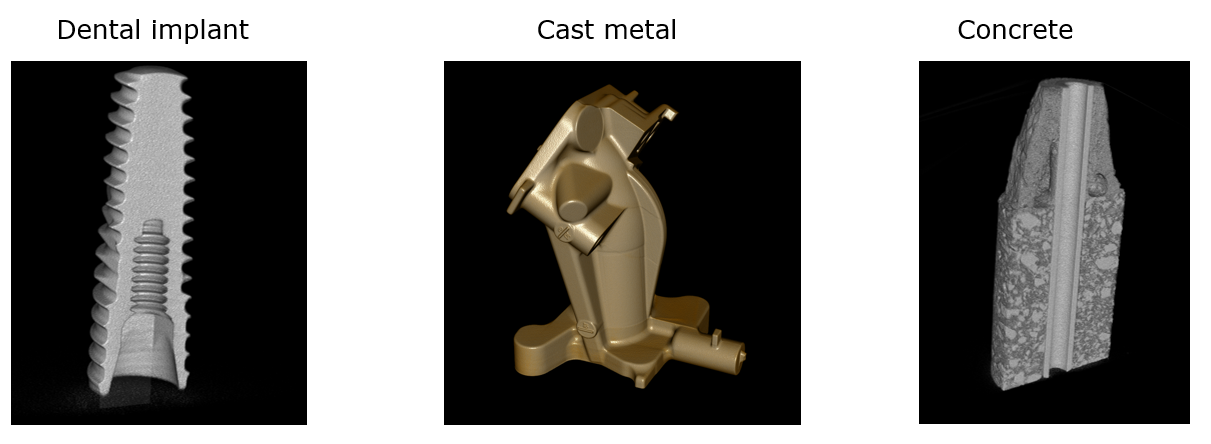
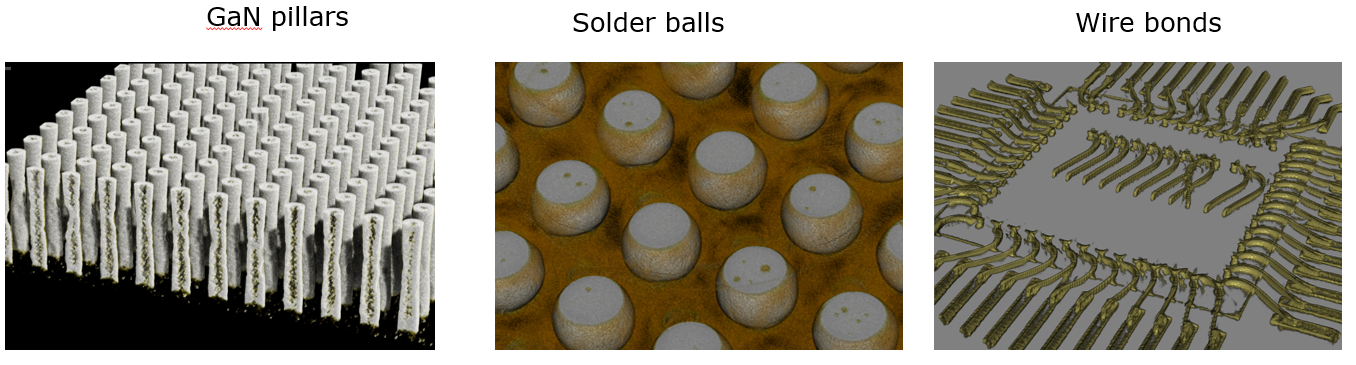
The session also featured examples involving:
- Dental implants
- Cast metal structures
- Concrete samples
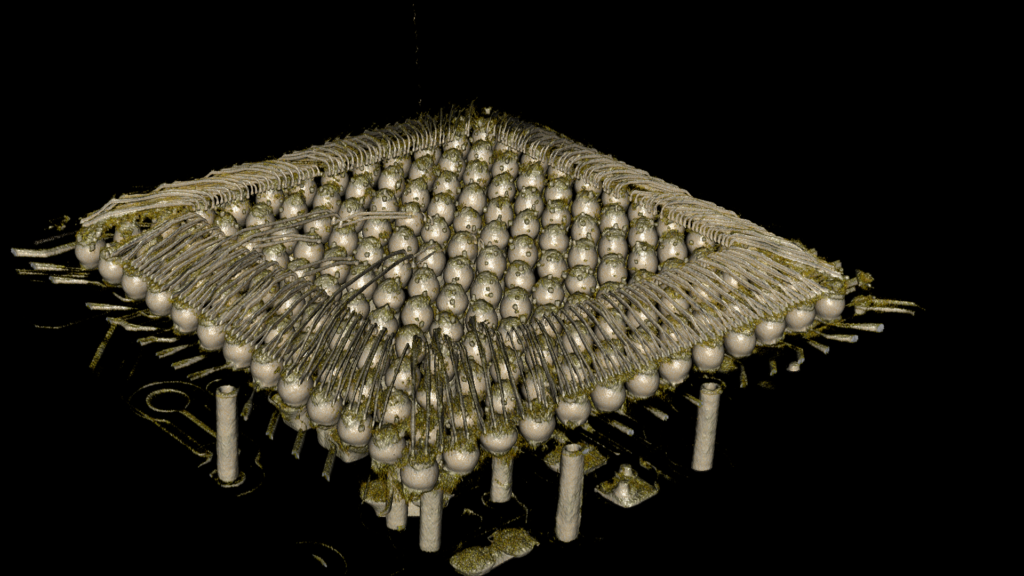
- Wire bonds
- GaN pillars
- Semiconductor components
The Growing Role of 3D CT Imaging
As products become smaller, more complex, and more densely integrated, manufacturers increasingly rely on 3D CT imaging to better understand internal functionality and improve process control.
Rather than simply identifying defects, modern CT scanning enables teams to:
- Analyze internal assemblies
- Validate manufacturing processes
- Improve product reliability
- Reduce destructive testing
- Accelerate failure analysis
- Optimize design and production workflows
The webinar demonstrated how advanced X-ray inspection continues to evolve from a simple imaging tool into a critical engineering and quality assurance process.
Watch the Webinar Recording
The full webinar recording, “Which X-ray Technique Should I Use? An Introduction to Cone Beam and Oblique CT,” is now available through JH Technologies.Â
The webinar video is free to download and view, allowing engineers, researchers, and manufacturers to revisit the presentation and explore the CT comparison examples in greater detail.
To learn more about industrial X-ray CT scanning applications and non-destructive 3D X-ray inspection workflows, visit JH Technologies.
Connect with our team and request a quote today!